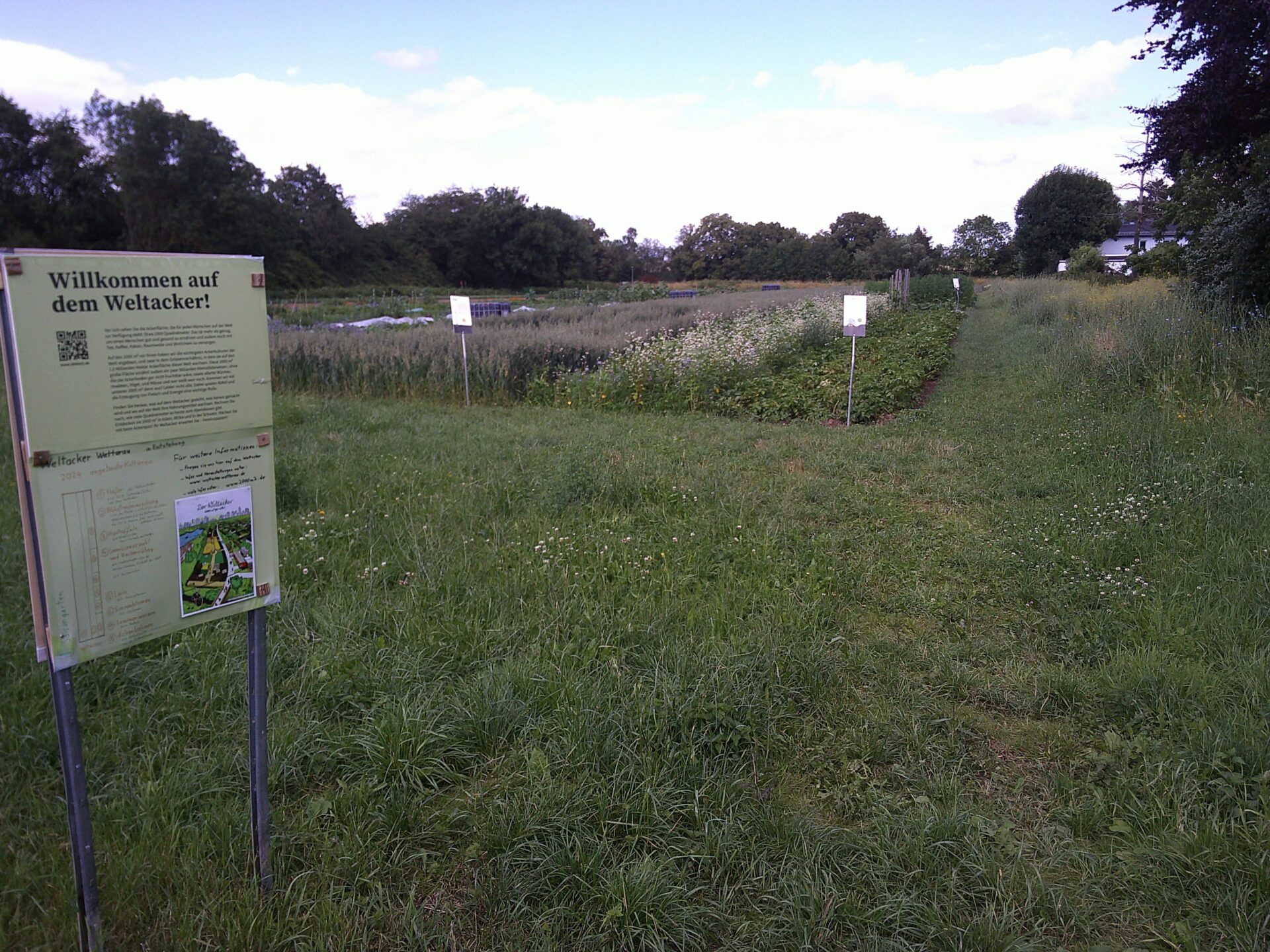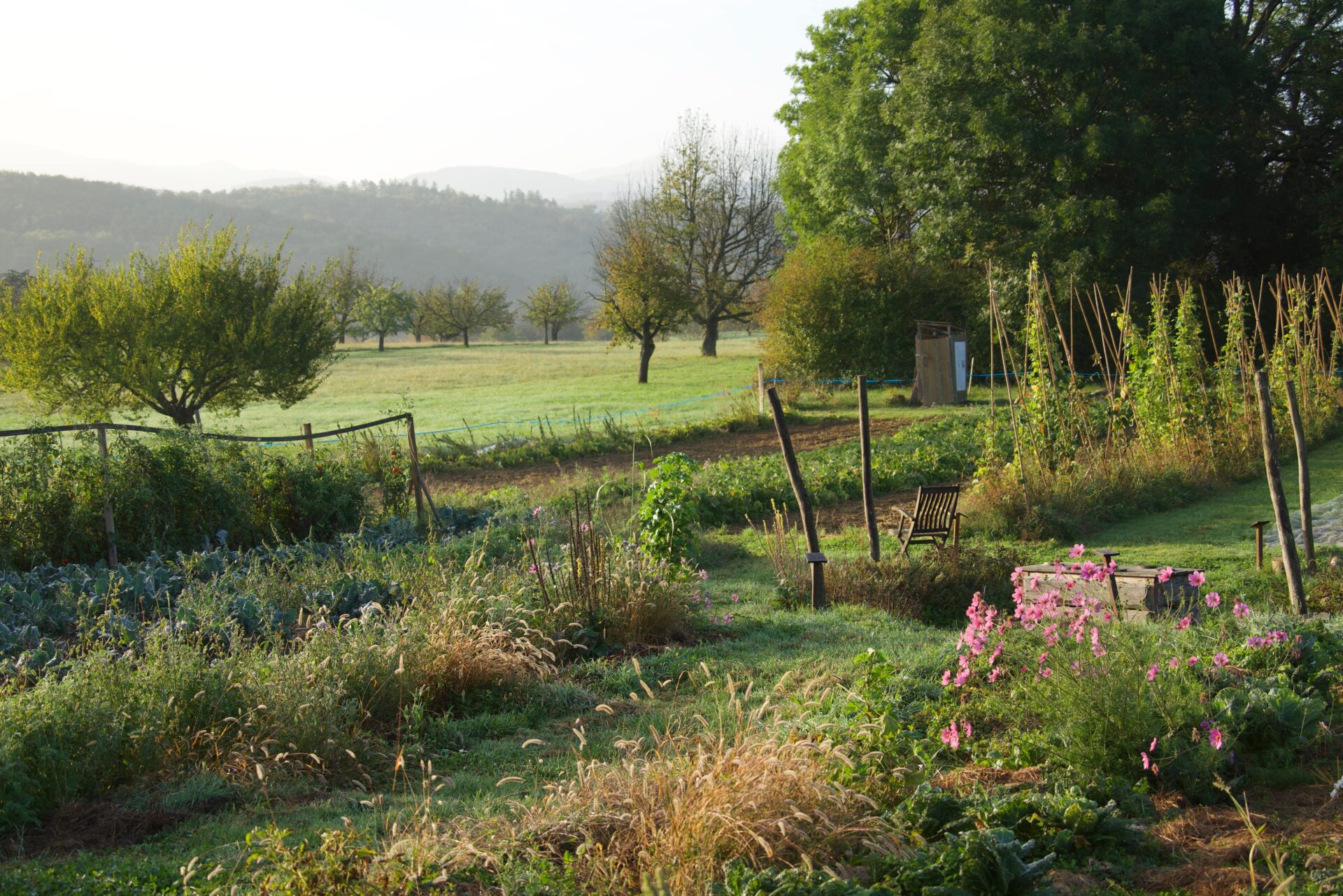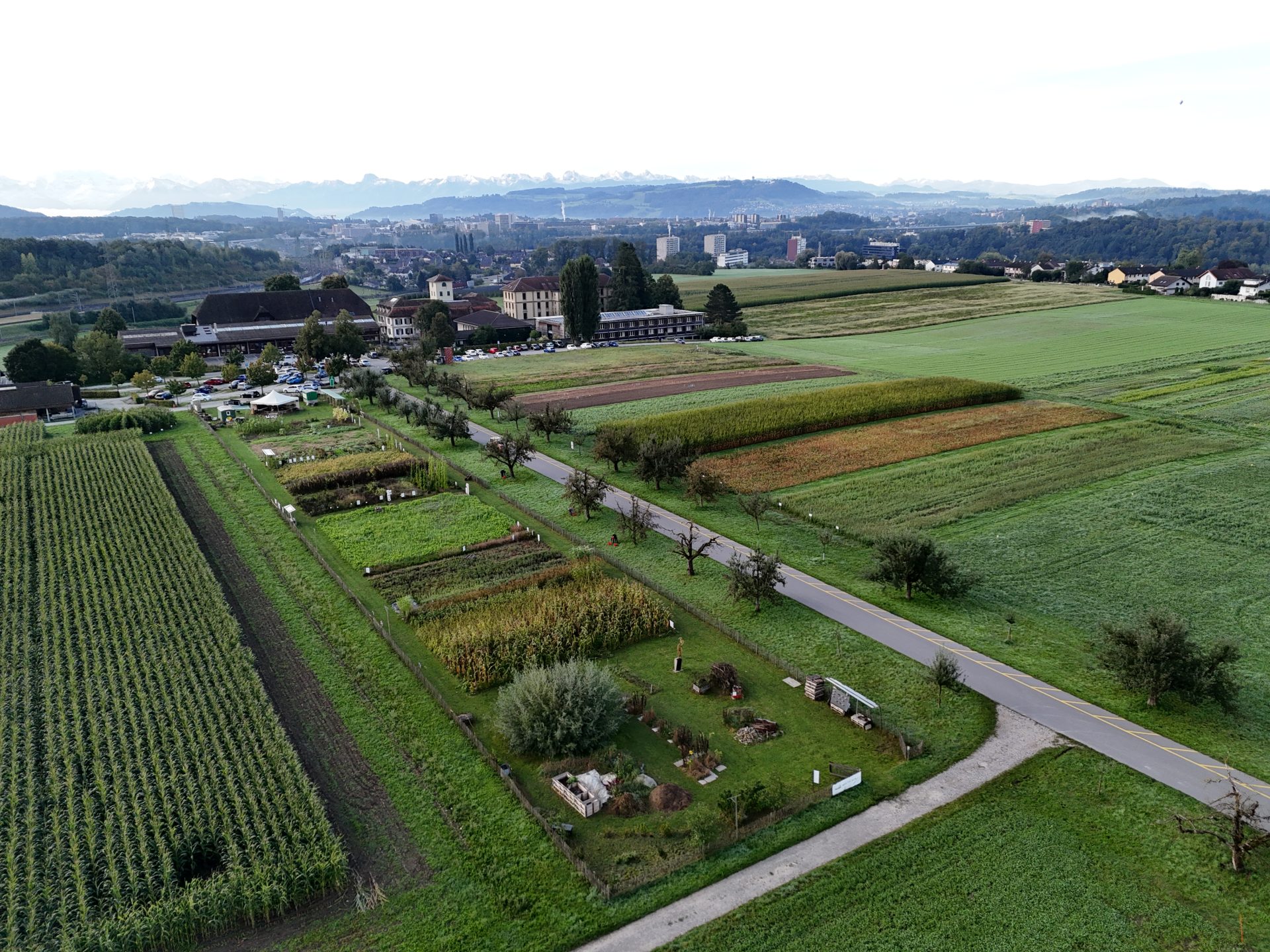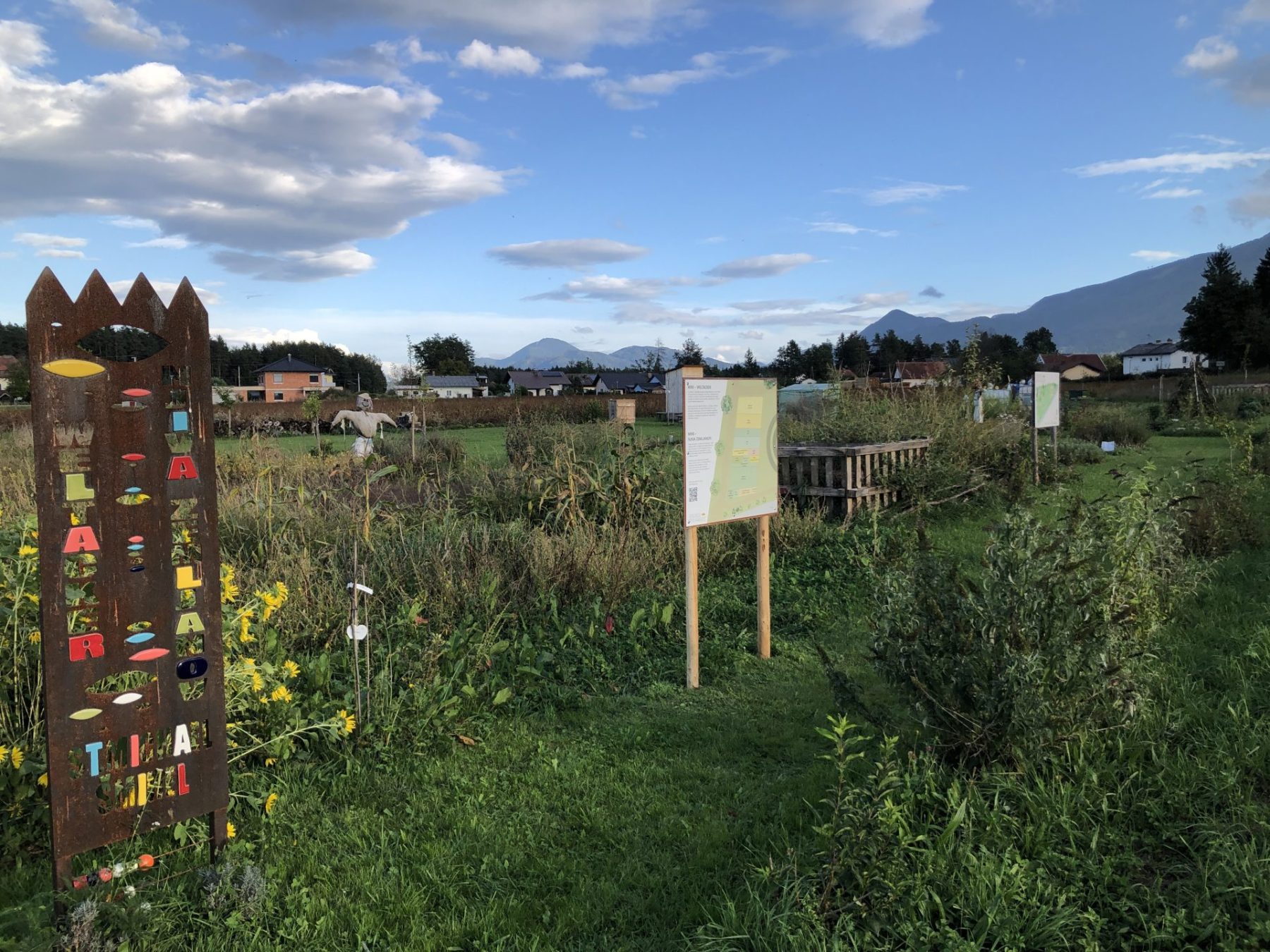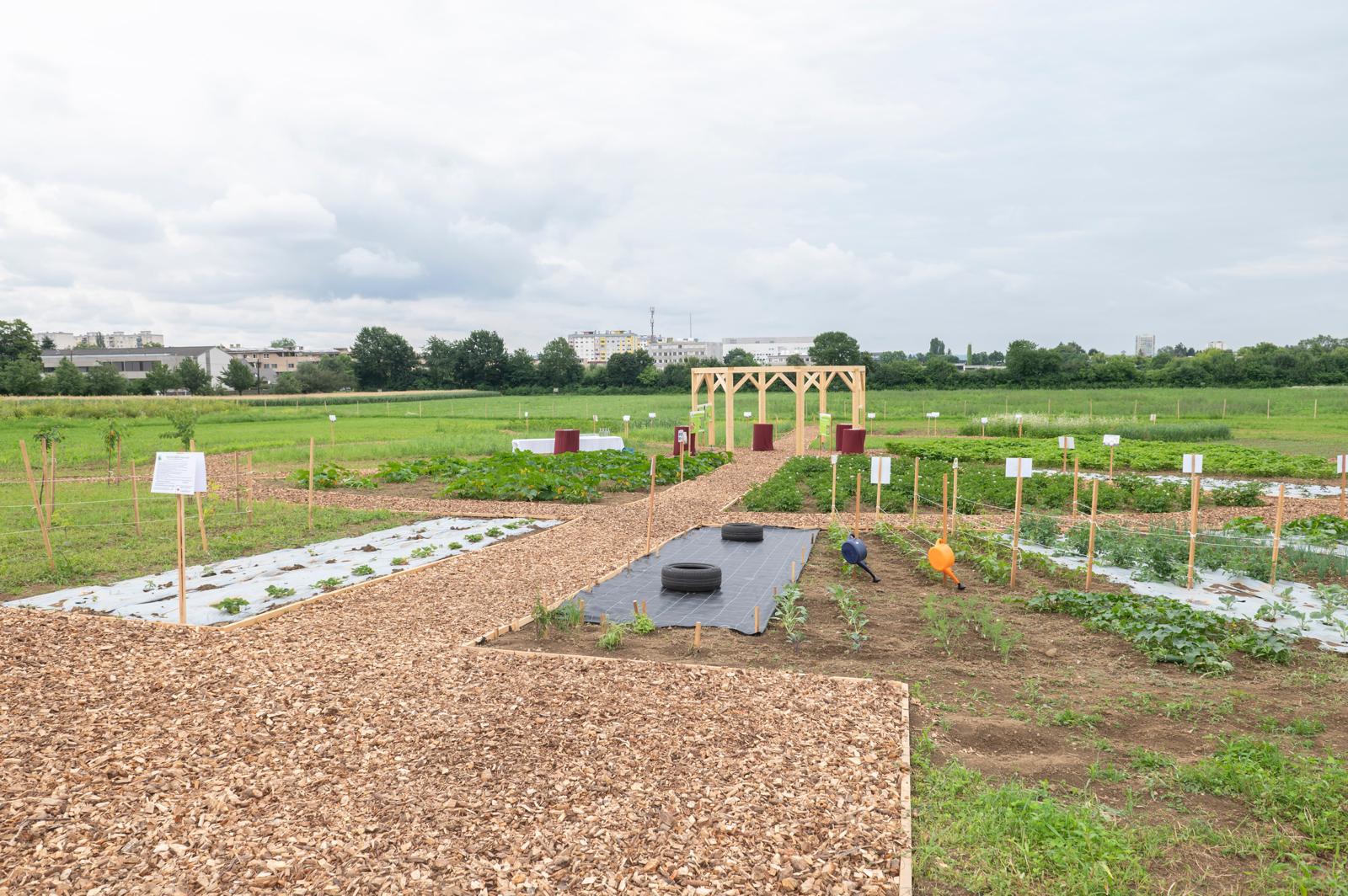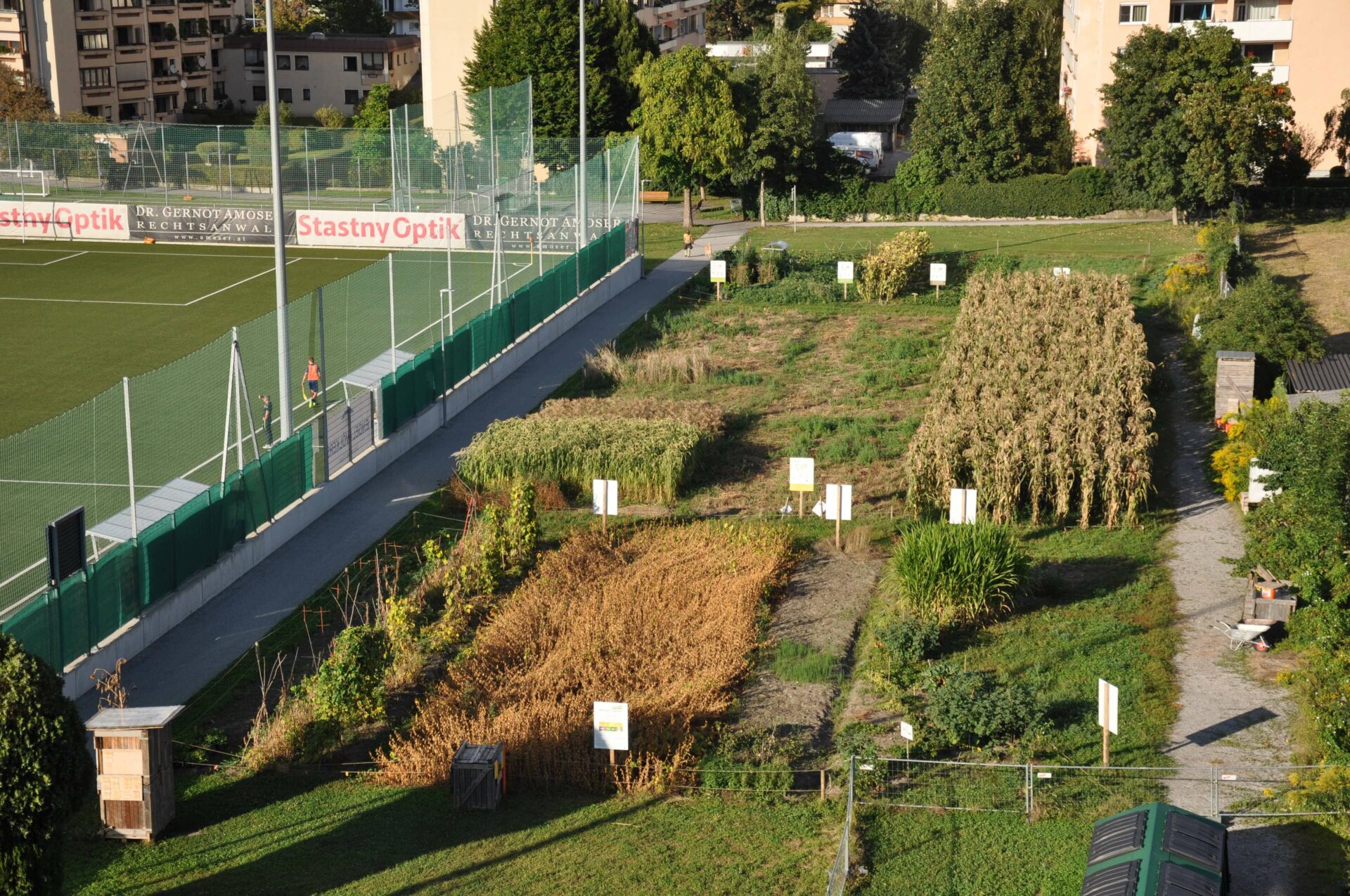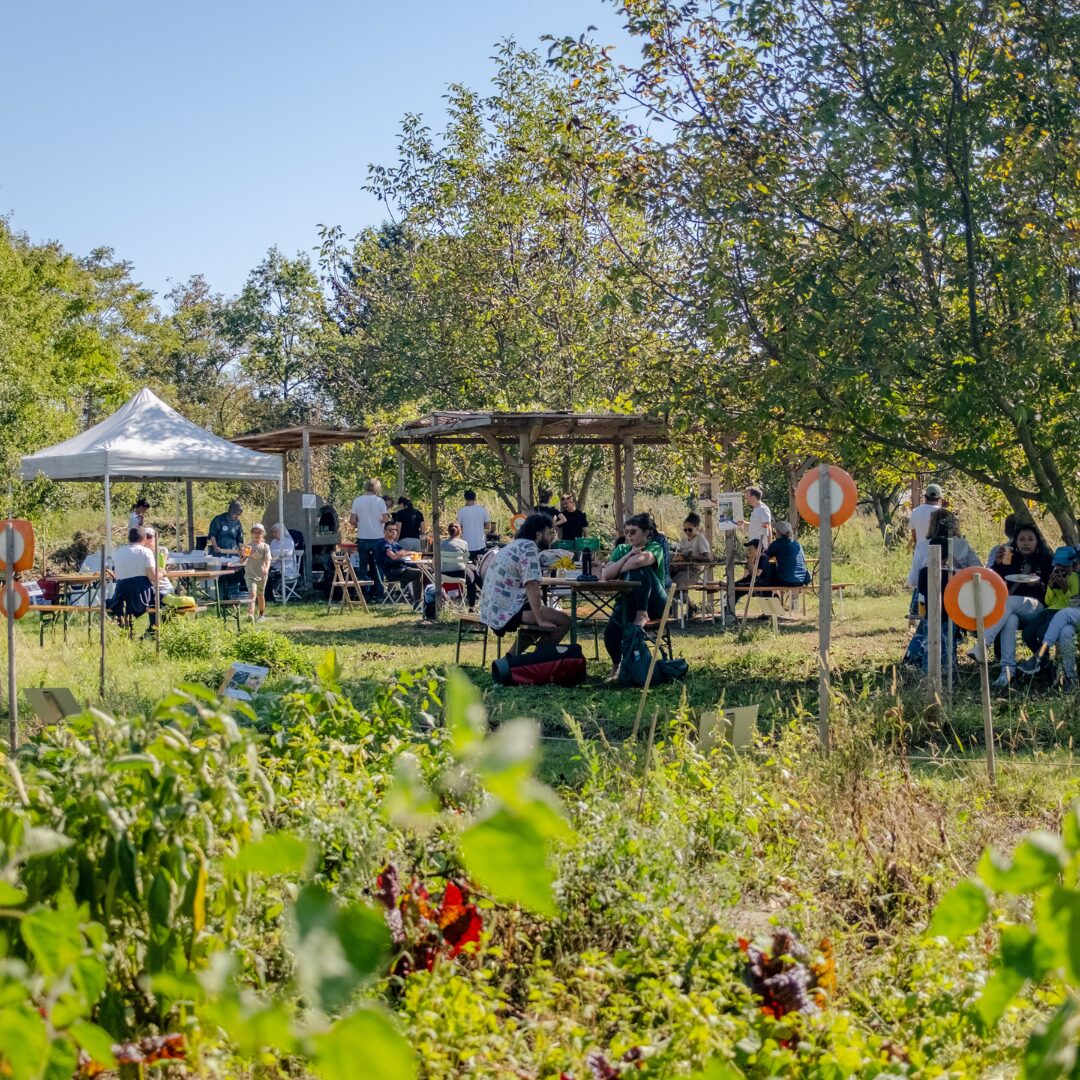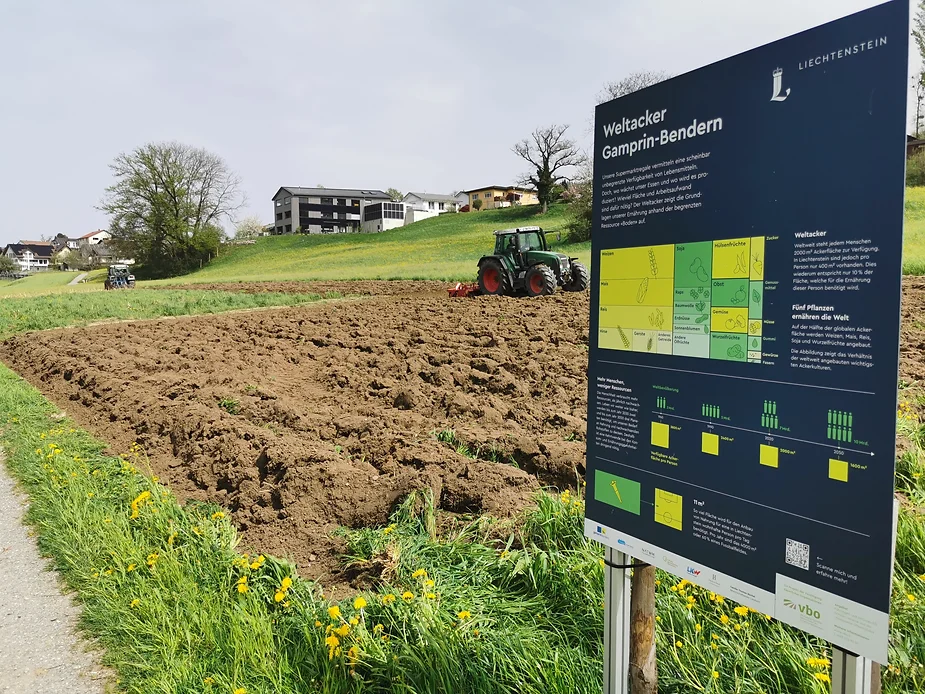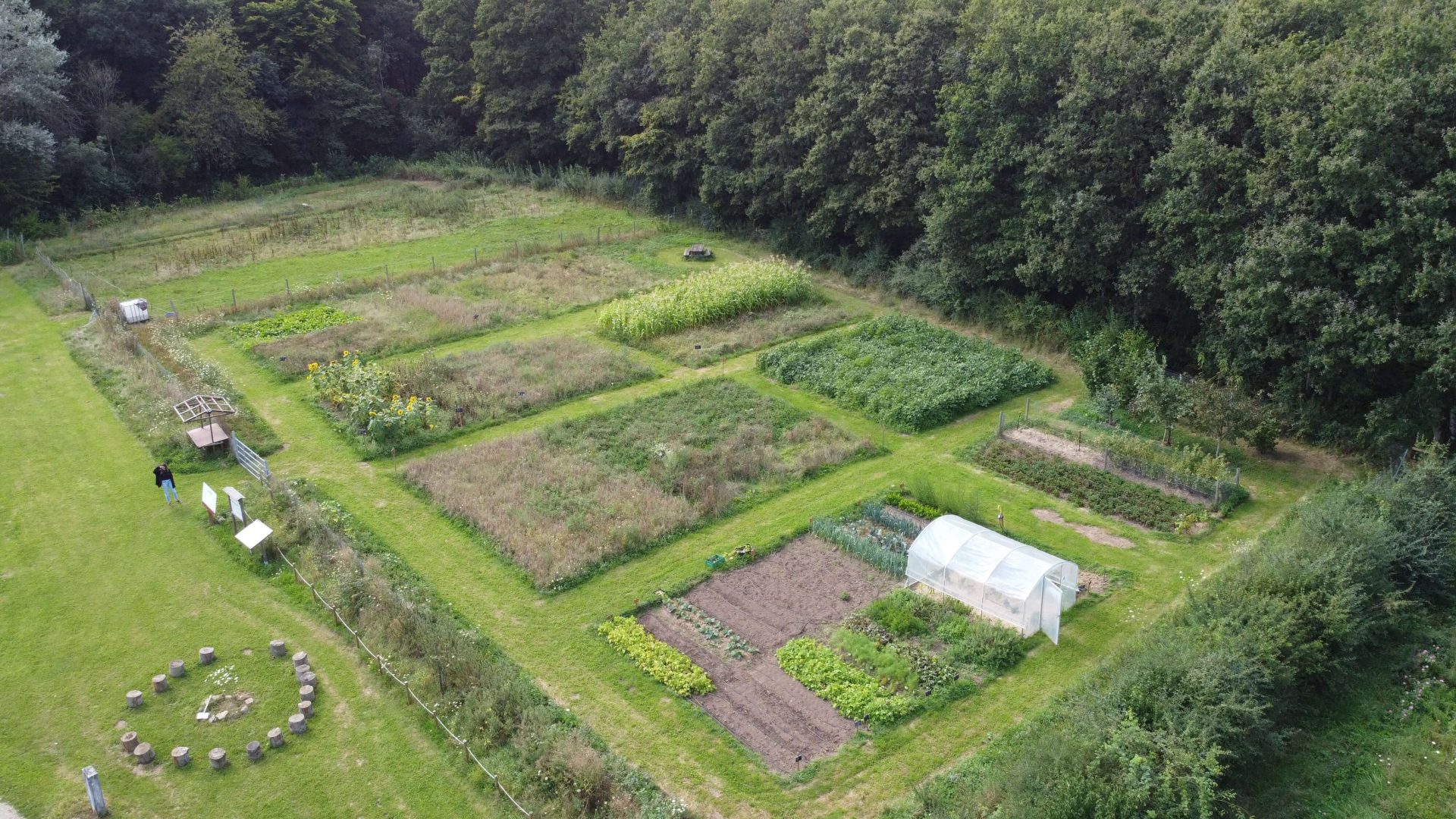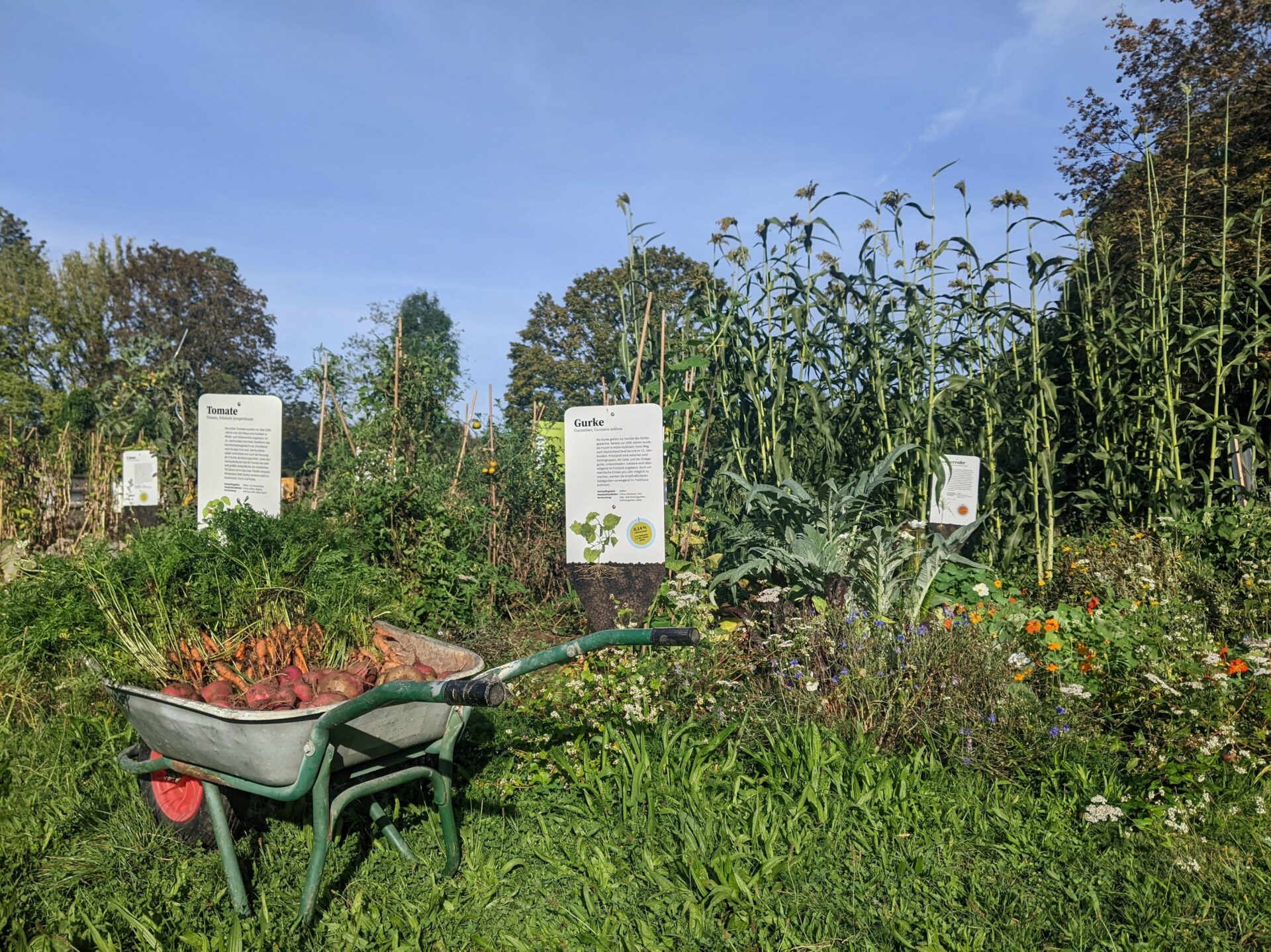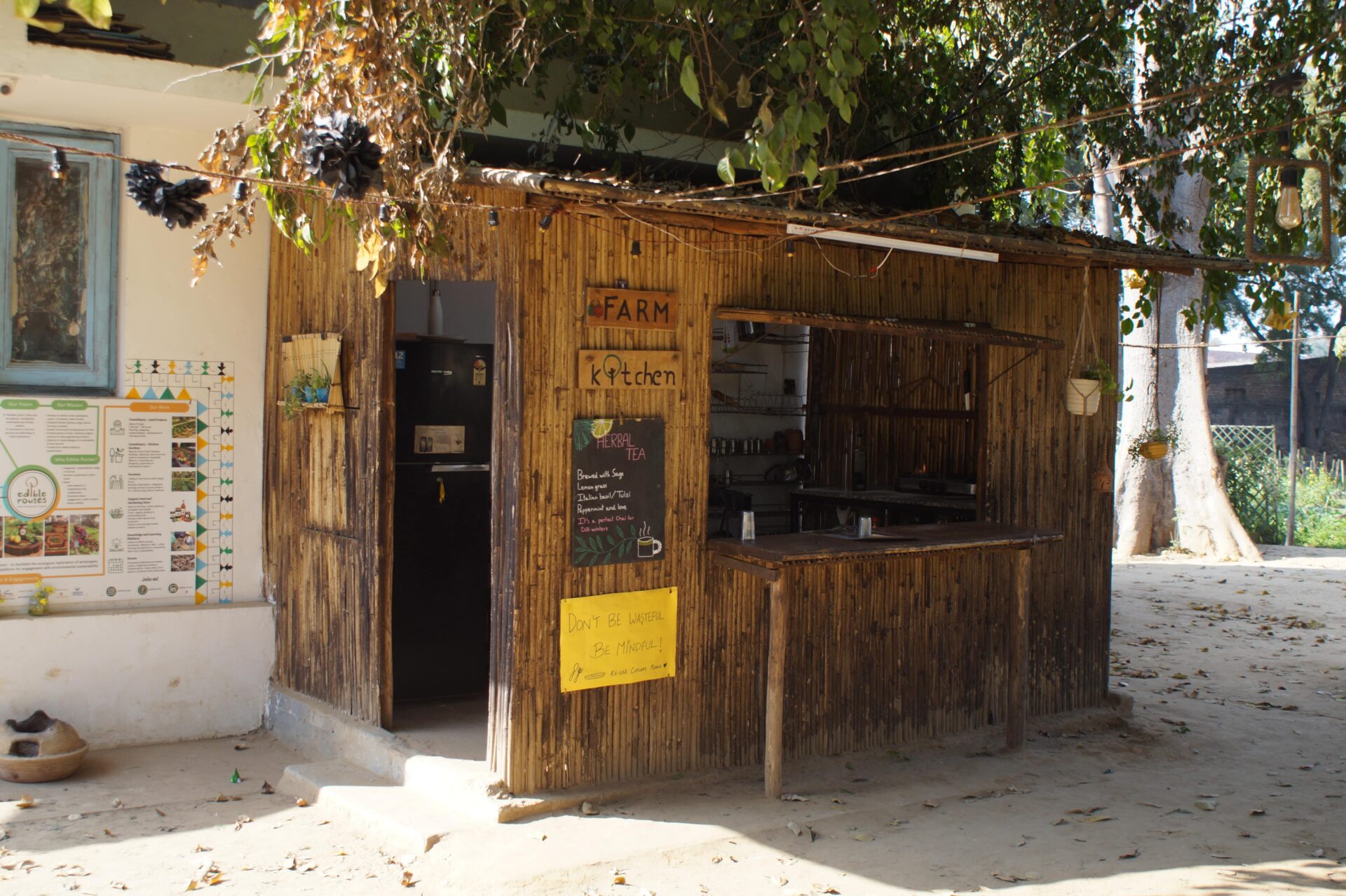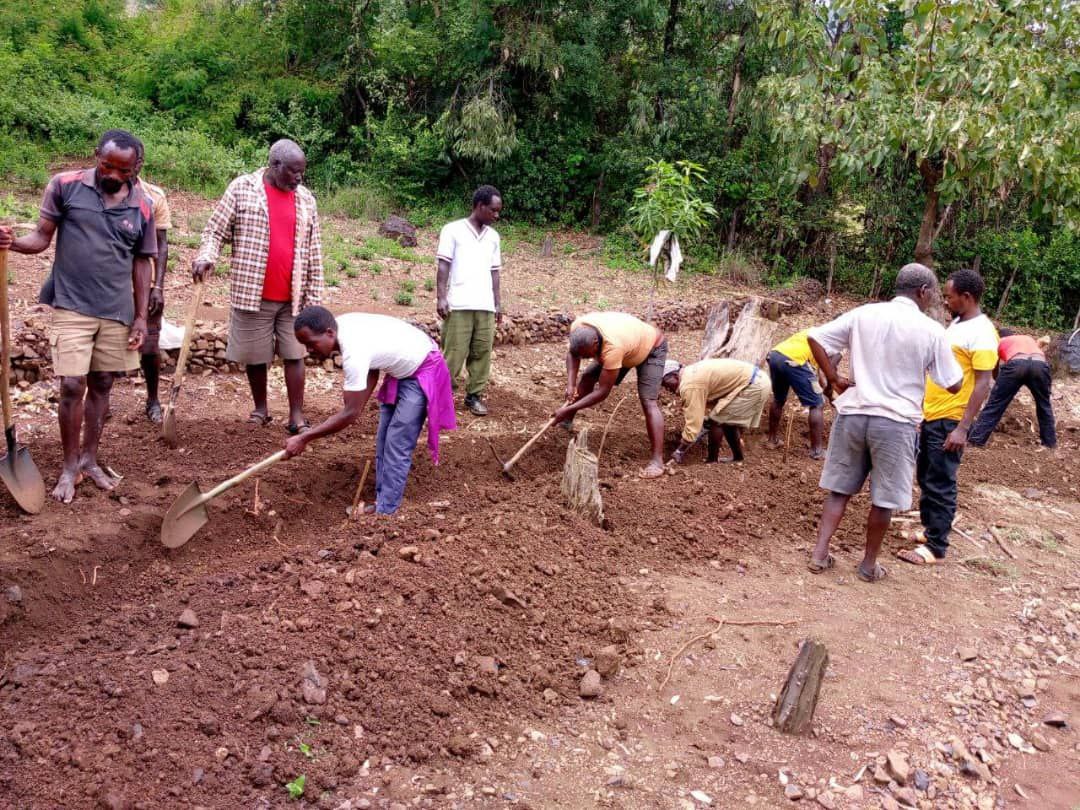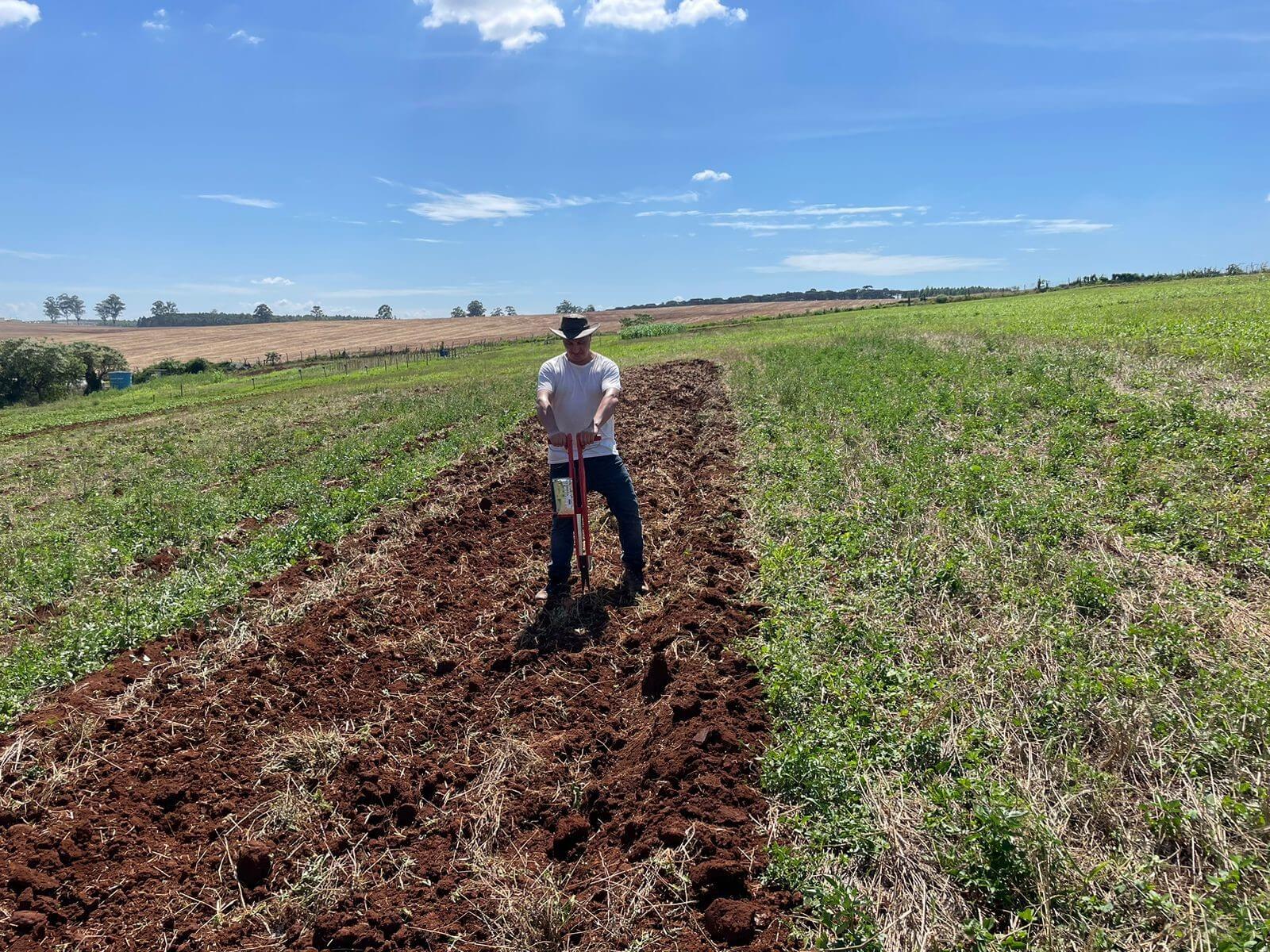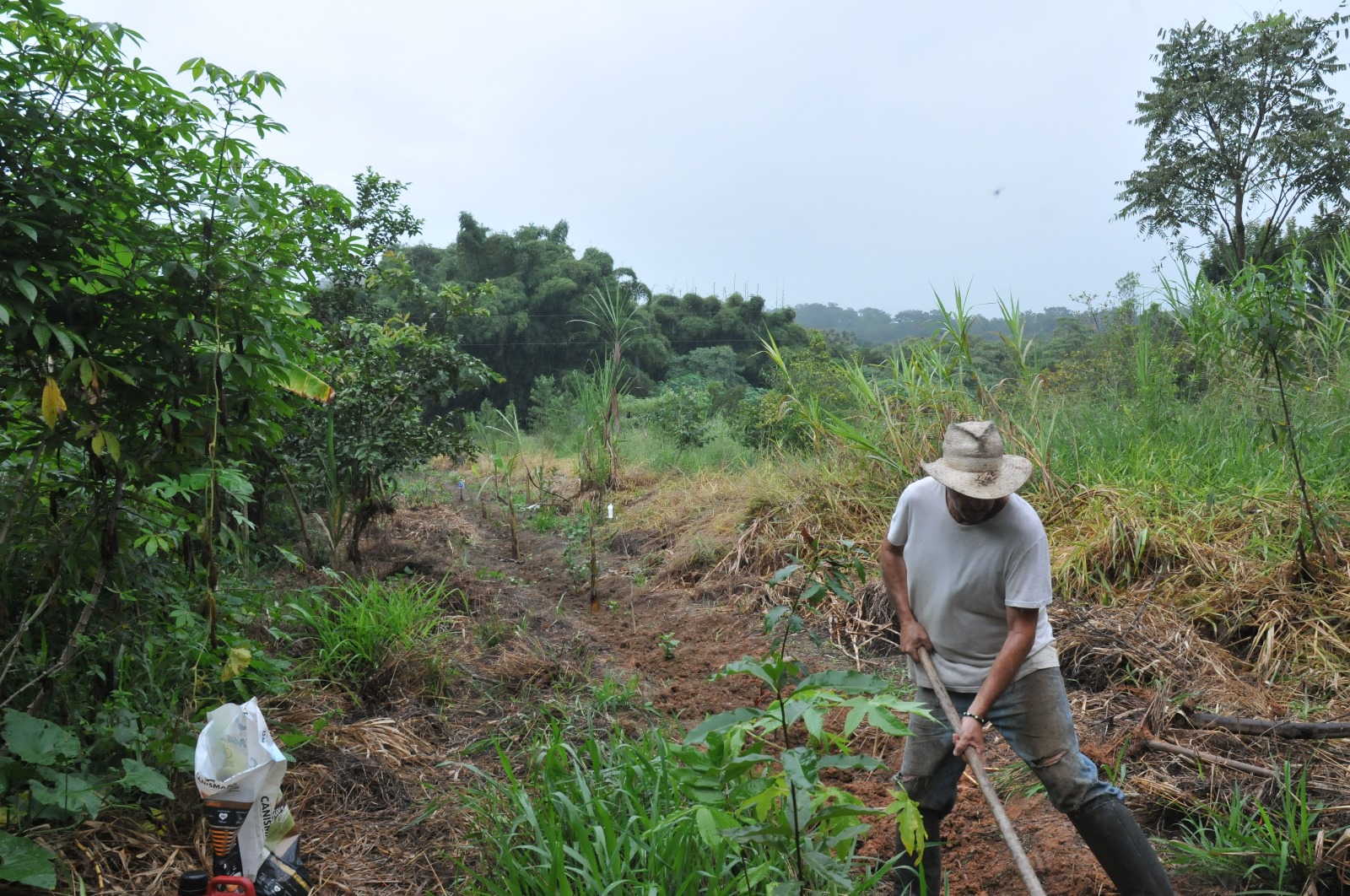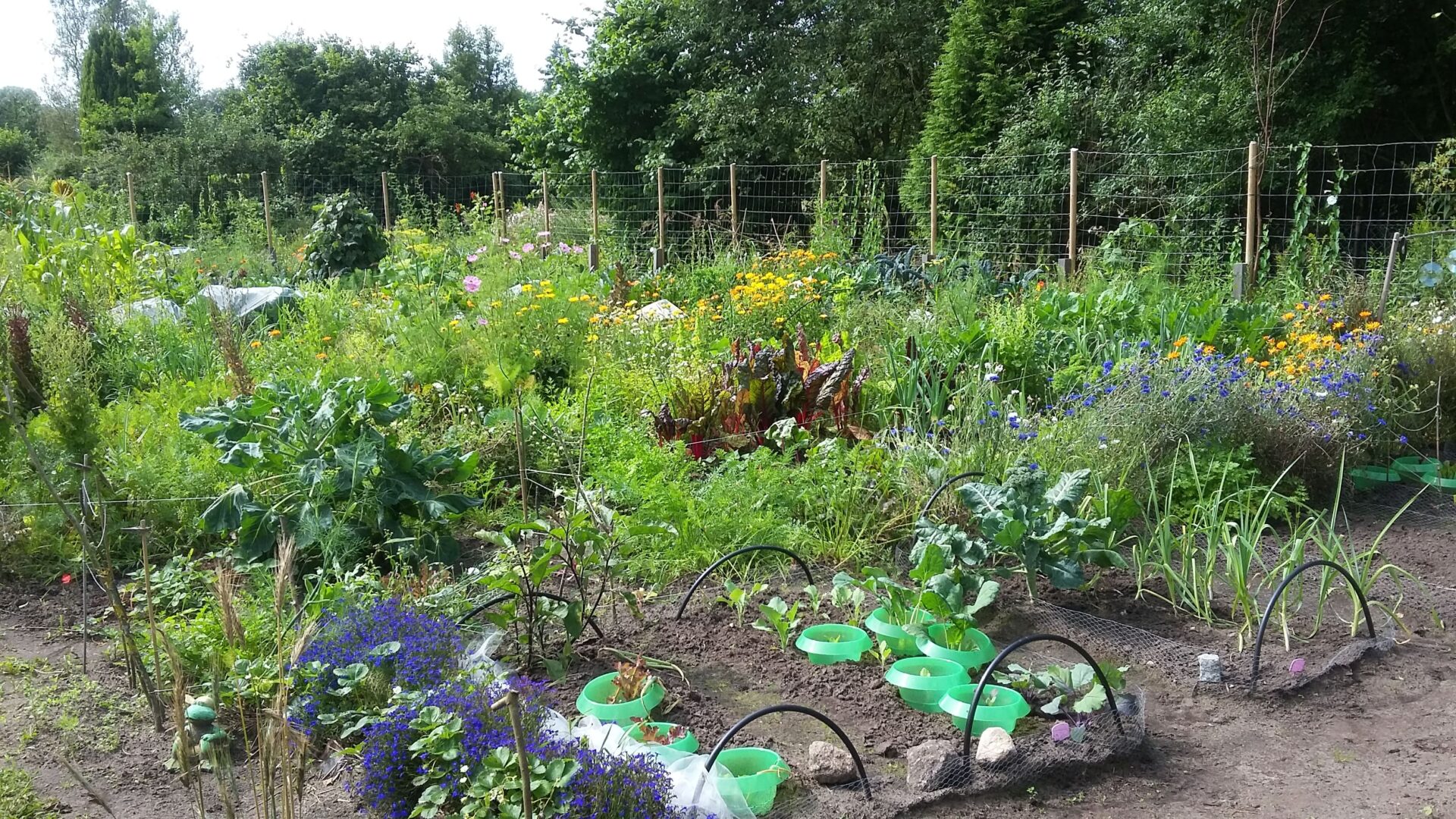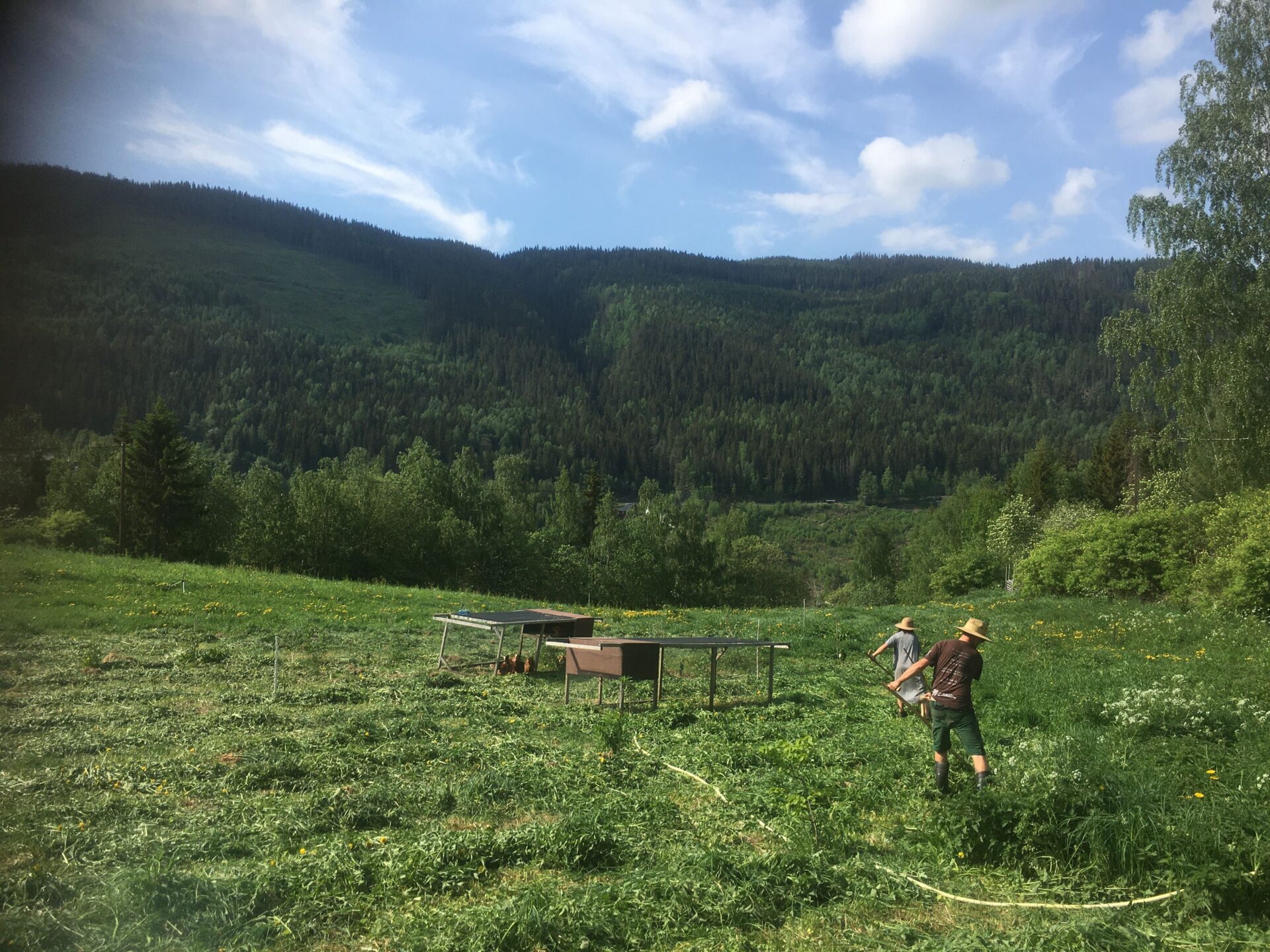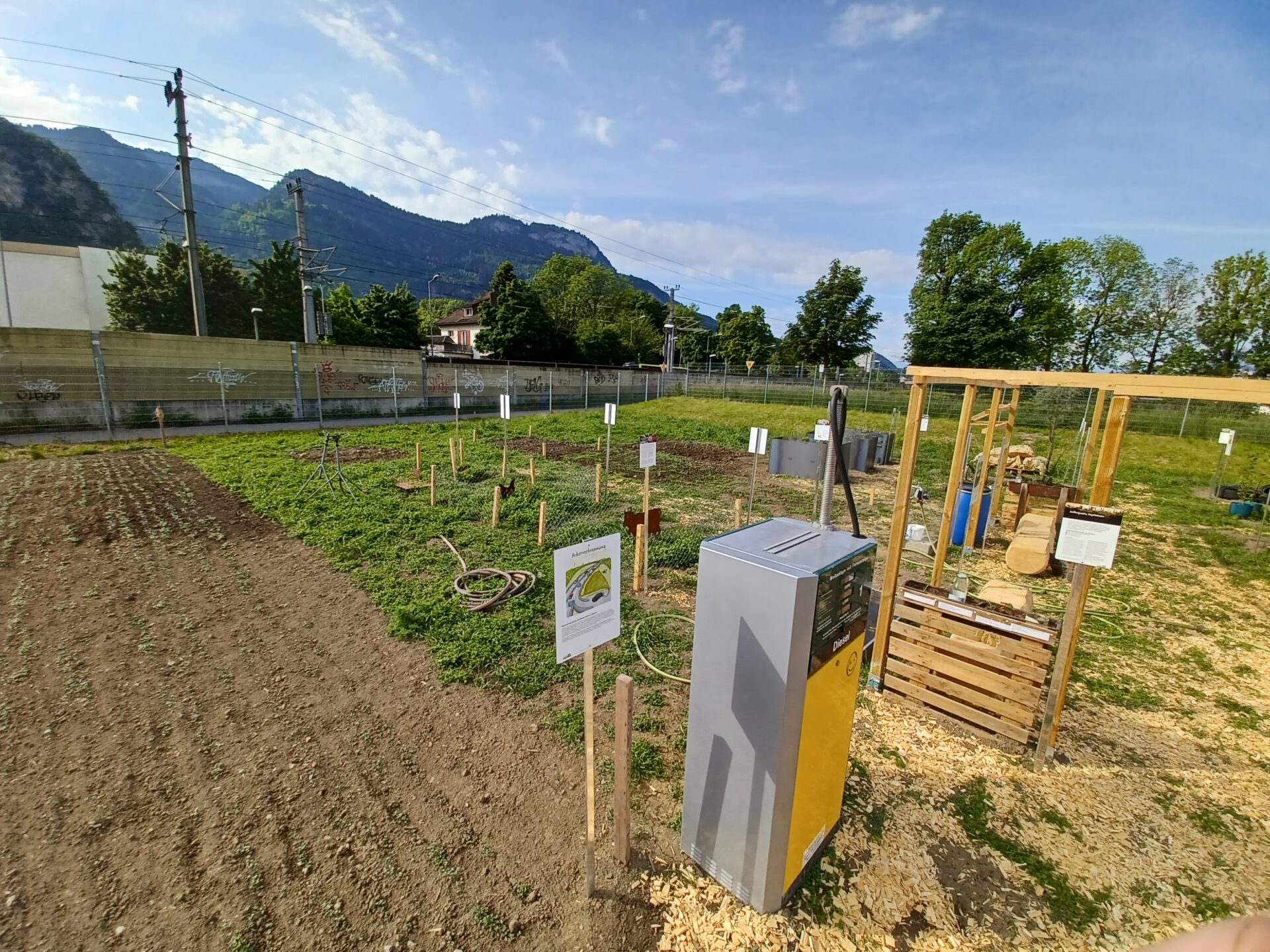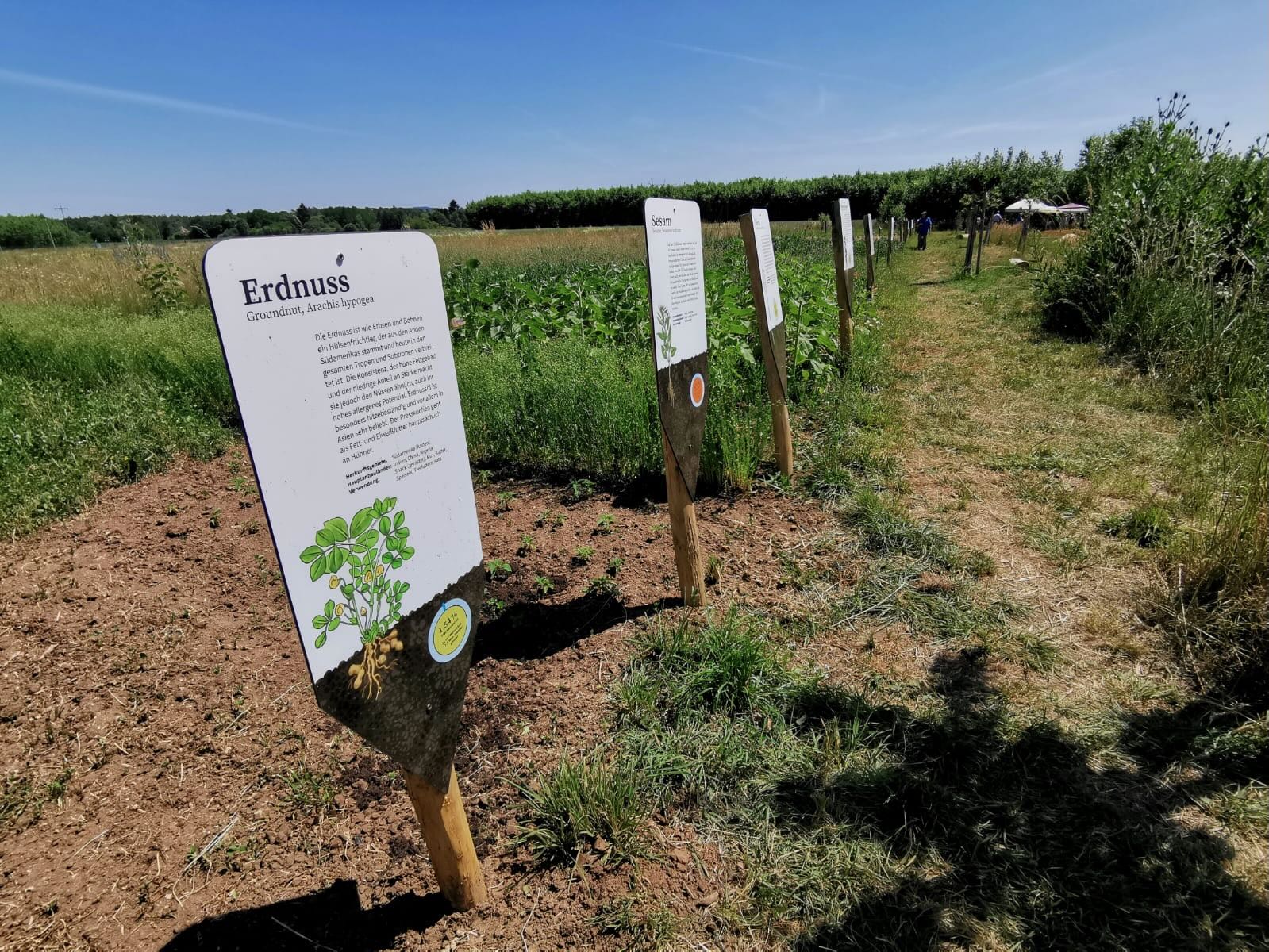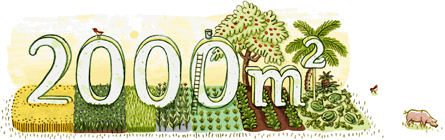


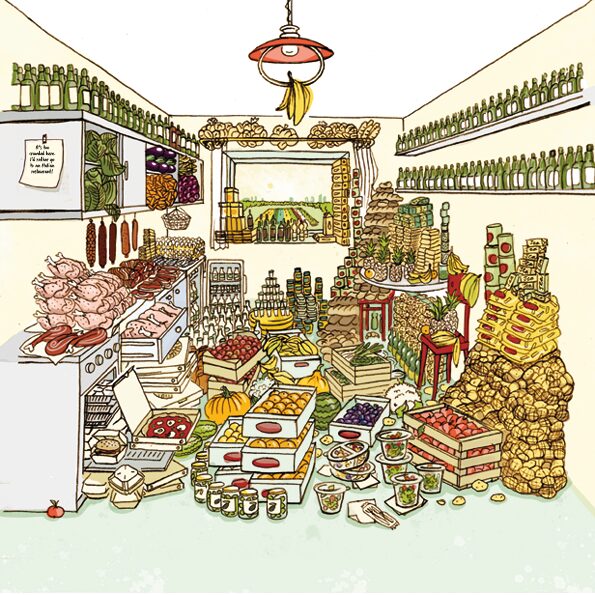
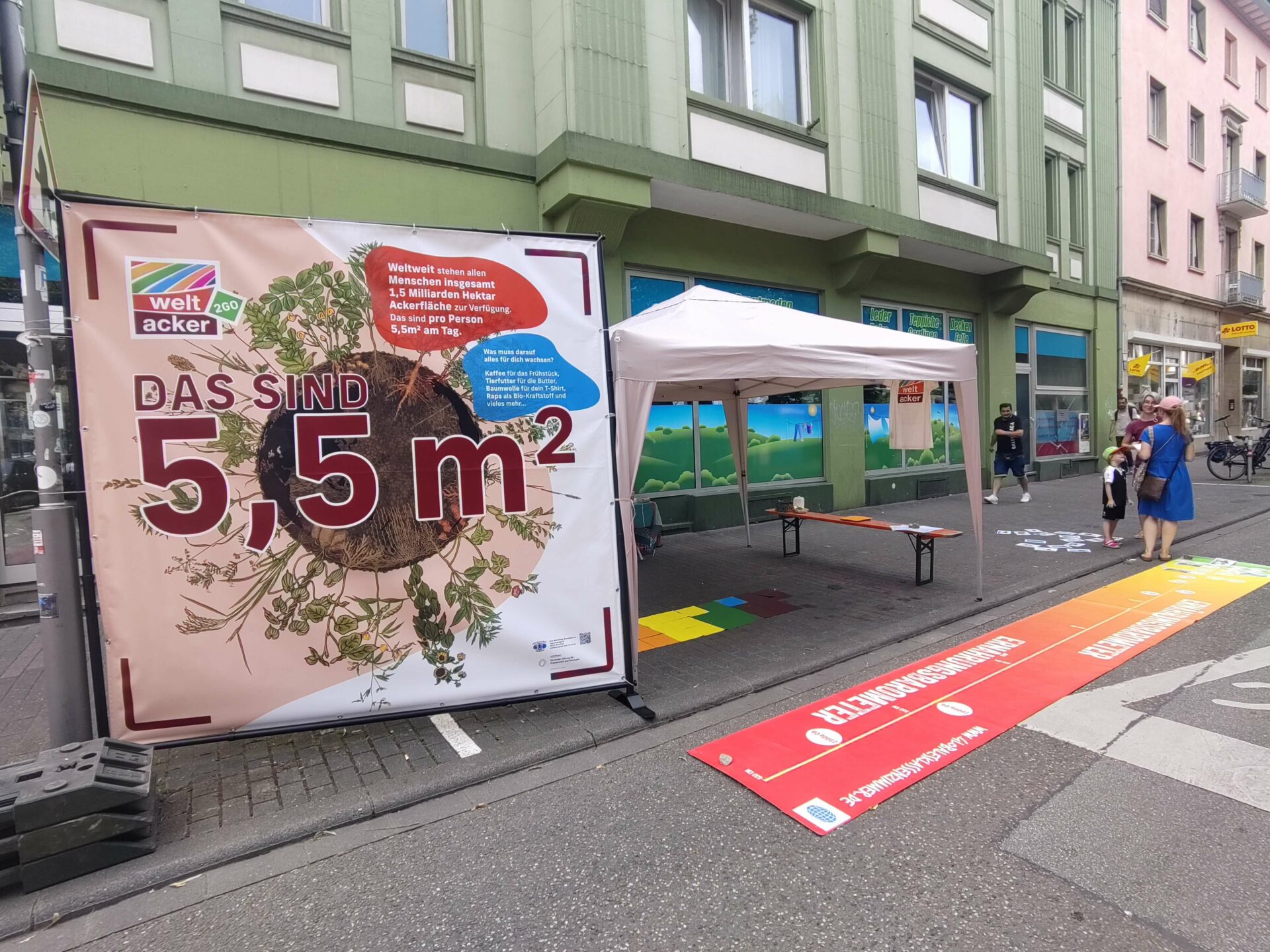
If we divide the world’s arable land by the number of people, we get 2000 m² per person. Everything we consume must grow on it.
The Global Fields (“Weltacker”) make complex global agriculture understandable for everyone. Children, young people and adults are shown the opportunities and challenges of agricultural production and healthy nutrition on 2000 m². Together with you, we want to pave the way to a healthy and sustainable future.
News from the “Weltacker” movement
-

Global Field Learns from Europe
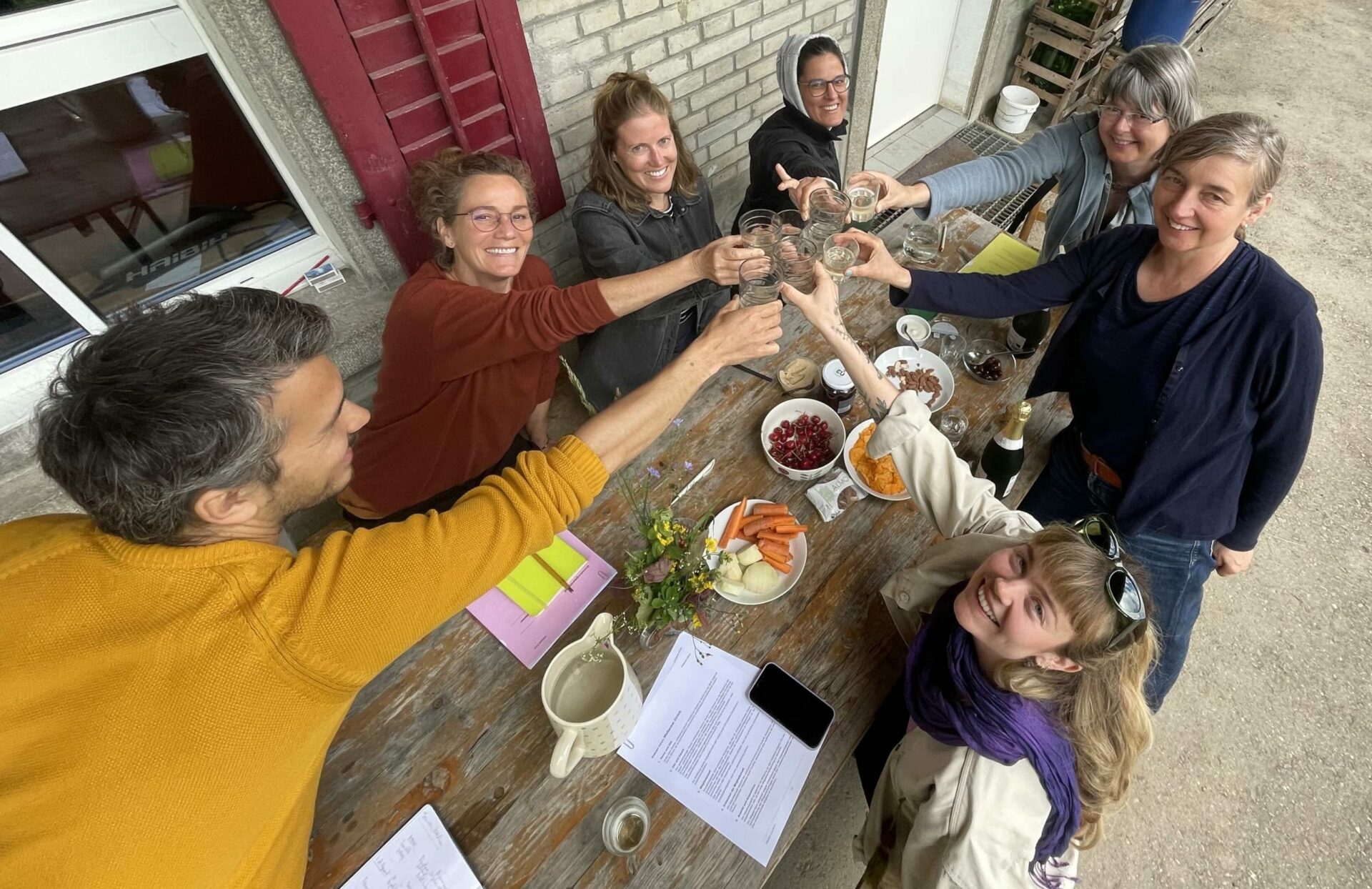
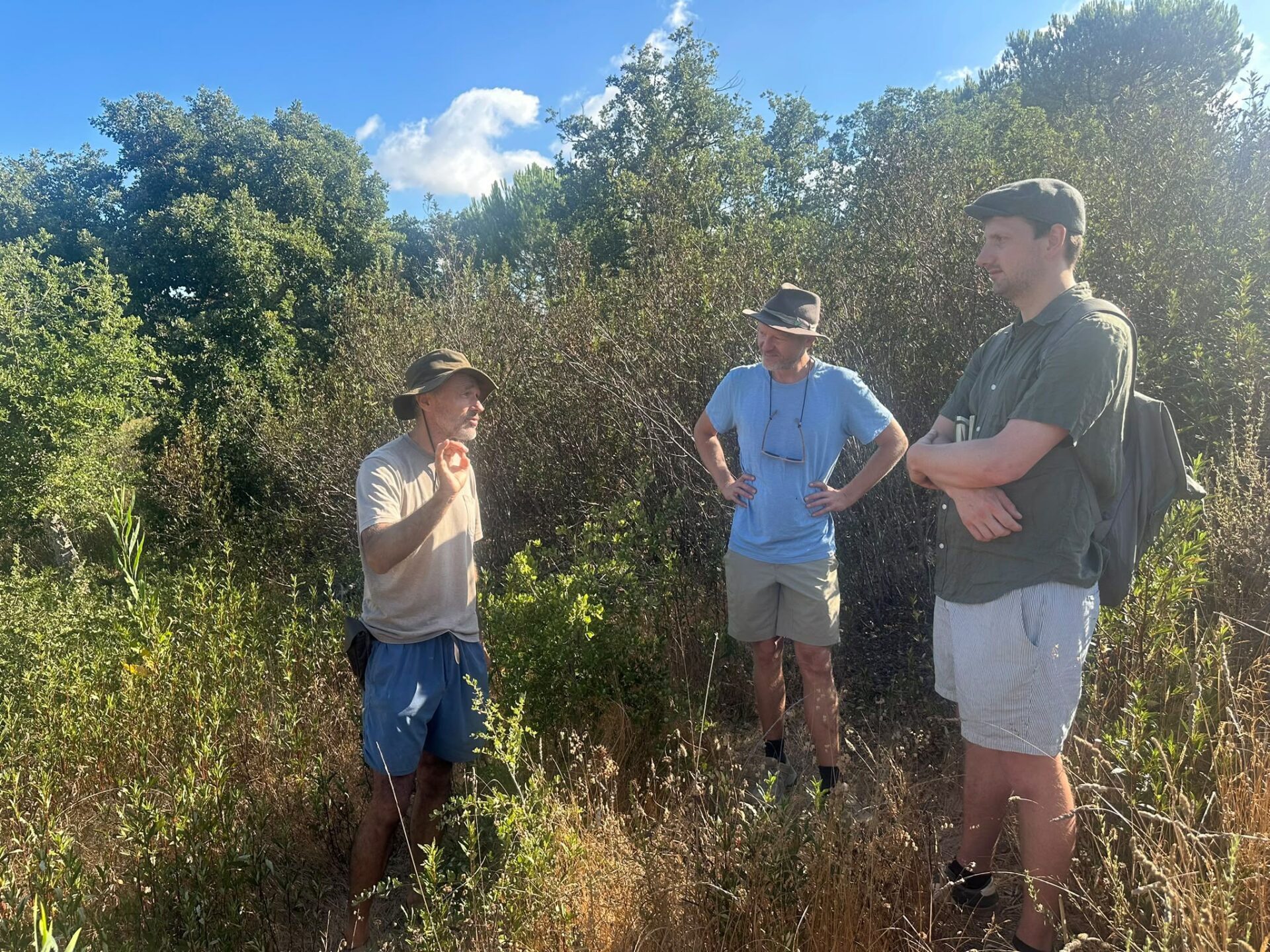
This year, we completed our first small Erasmus mobility project. Through this project, we had the opportunity to send our coordination team to exciting projects across Europe to learn from them. Here’s a brief recap….
-

How to Weltacker
We cordially invite you to a virtual workshop: How to Weltacker? On 11 November 2026, starting at 10 a.m. CET, we would like to introduce you to the background of the Weltacker project. In this workshop, you will meet various dedicated members of our movement….
-
Global Field Learns from Europe
This year, we completed our first small Erasmus mobility project. Through this project, we had the opportunity to send our coordination team to exciting projects across Europe to learn from them. Here’s a brief recap….
-
How to Weltacker
We cordially invite you to a virtual workshop: How to Weltacker? On 11 November 2026, starting at 10 a.m. CET, we would like to introduce you to the background of the Weltacker project. In this workshop, you will meet various dedicated members of our movement….






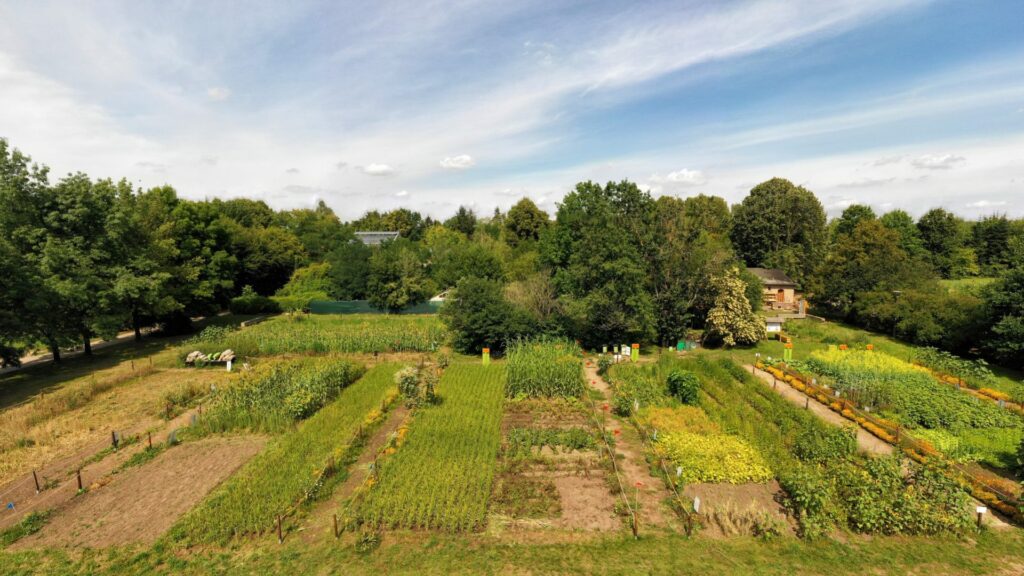
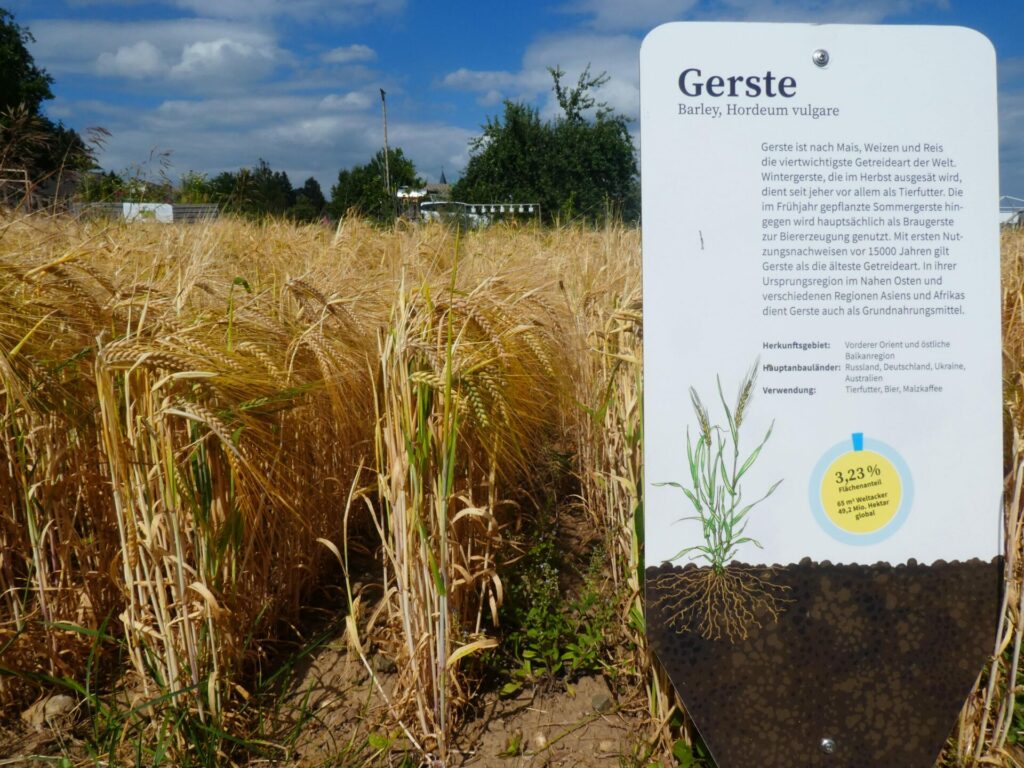
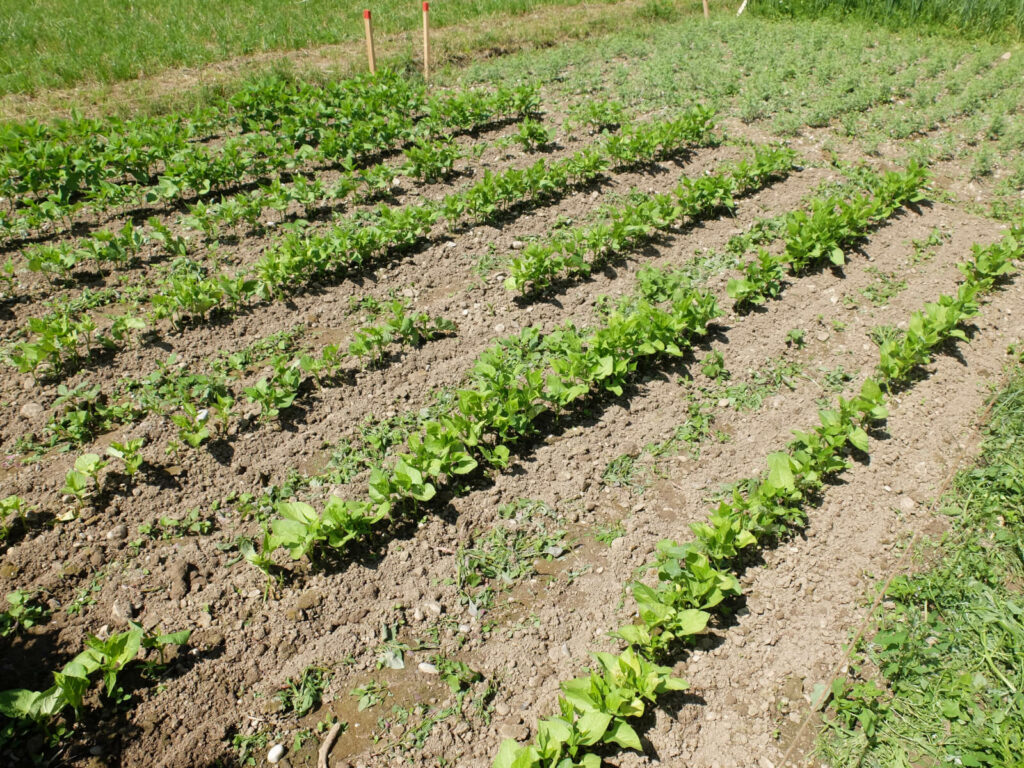
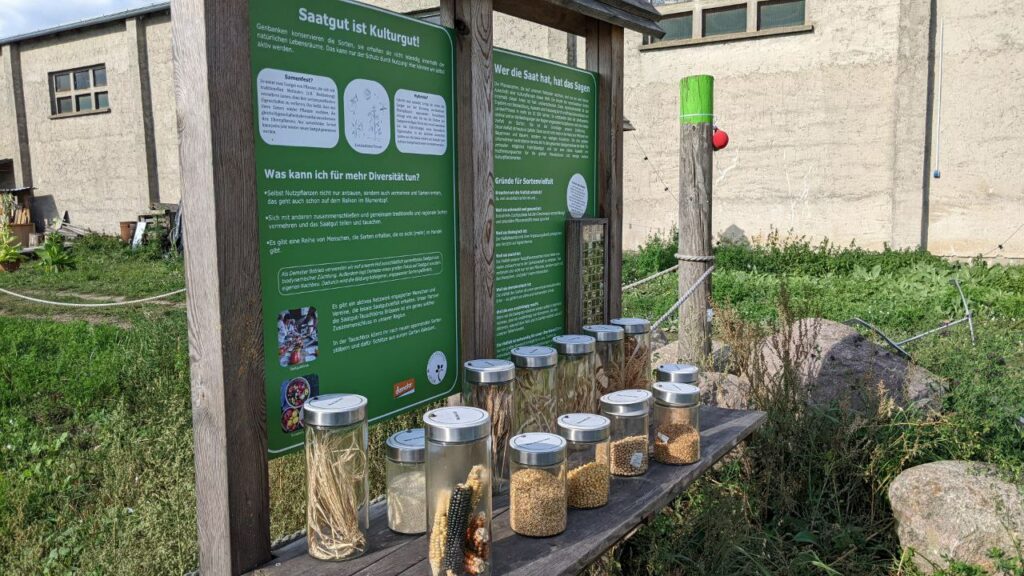
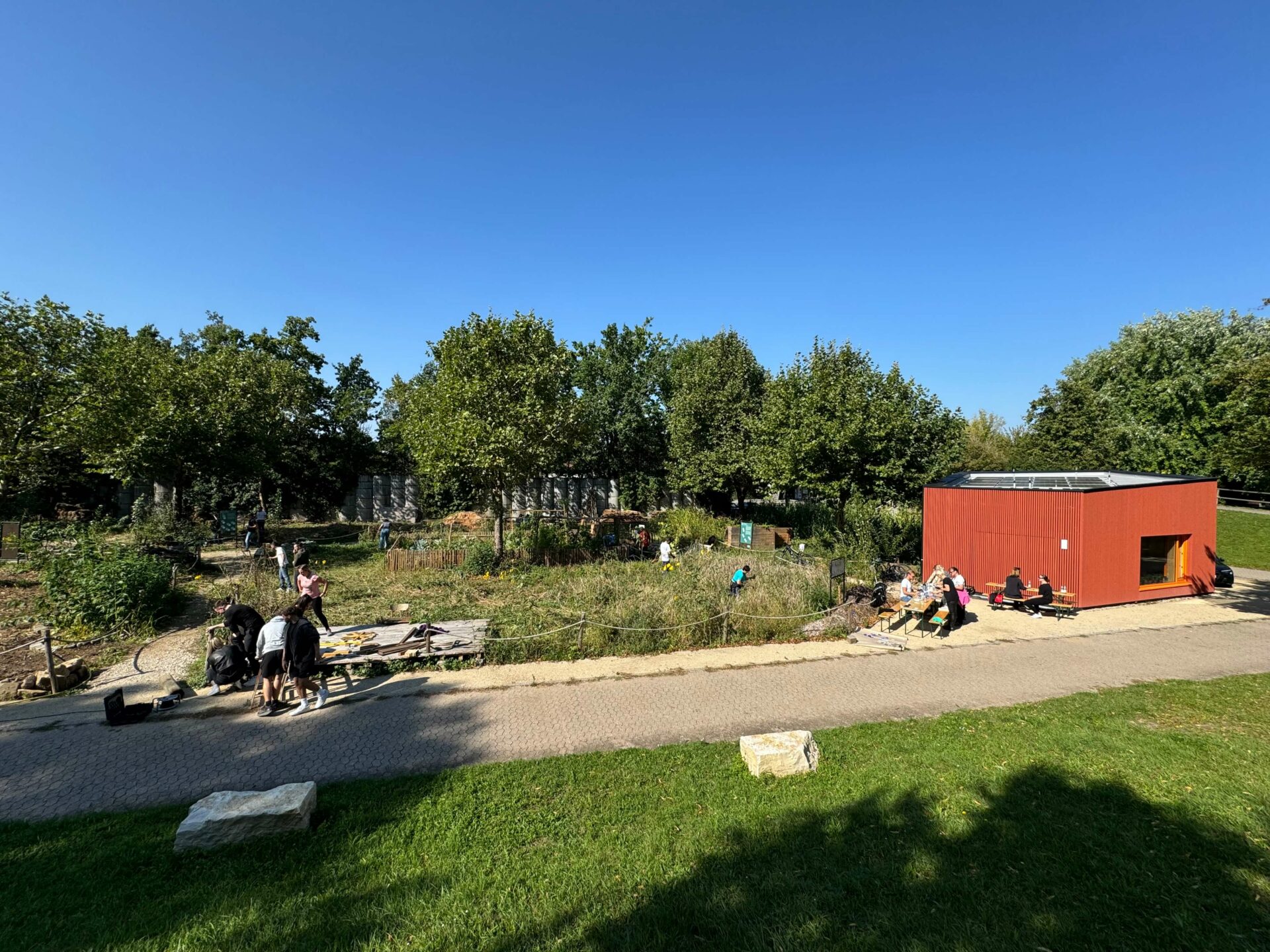
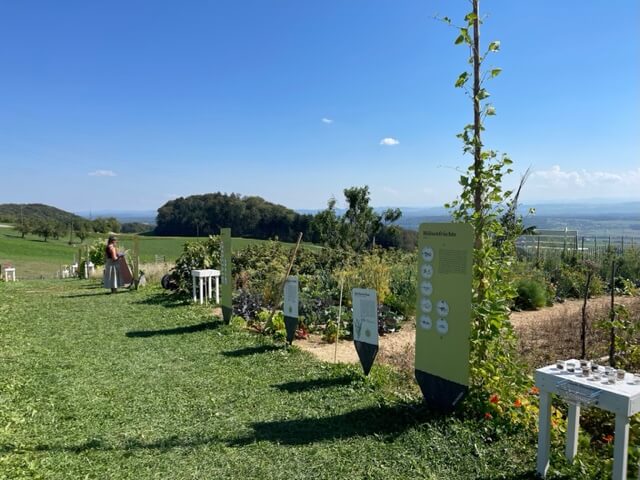
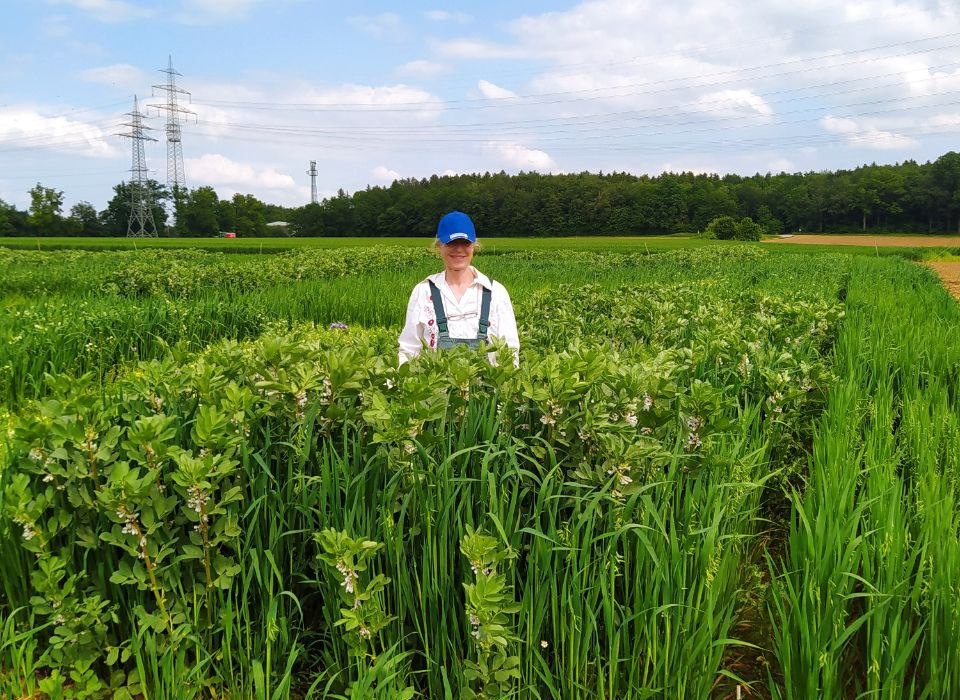 The Weltacker in Nürtingen is a project of the Nürtingen University of Applied Sciences. Students plant and learn here.